



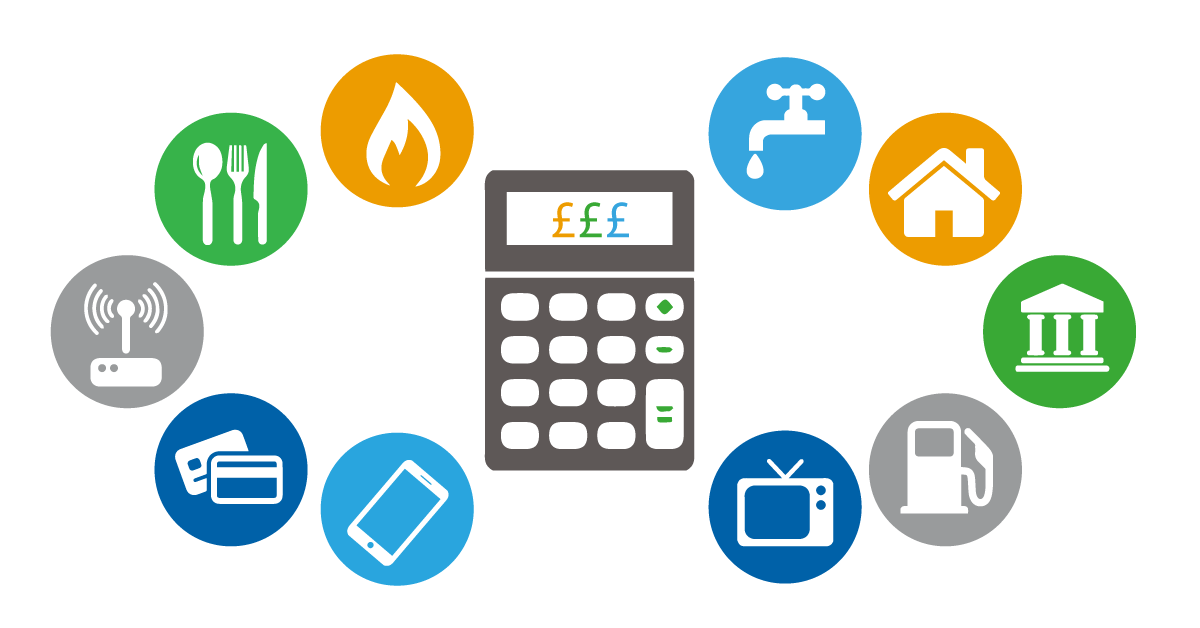
Before you apply for car finance, it helps to check your budget. The main question is simple. Would the monthly payment fit into your usual spending?
This matters if you have good credit, limited credit, or bad credit. The payment should feel affordable alongside your bills and other credit commitments.
At Go Car Credit, we know a credit file does not always show the full picture. Past money problems do not always reflect where you are now. Even so, any finance offered will always depend on status and affordability.
Affordability is a key part of responsible lending. This means looking at whether the payment could suit your income, your regular spending, and your current credit commitments. Looking at your budget first could help you see what may suit your circumstances.
How is affordability assessed?
Affordability checks look at whether a new payment may be manageable for you. This is not just about your credit score.
Checks may include the details on your application, credit reference data, and sometimes extra documents. These checks help build a clearer picture of your situation.
If you want to know more about the steps involved, our approval process explains this in simple terms. Our eligibility checker also shows what may be reviewed before you go further.
At Go Car Credit, we start with a soft search. This gives a basic view of your credit history. It helps show whether you may meet our lending criteria. It does not affect your credit score. If you choose to move forward, a full credit check may take place later in the approval process.
Some applications need more detail than others. In some cases, recent bank statements or proof of income may be requested. This could help show whether the payments may be affordable for you.
Why budgeting matters
Budgeting matters because it helps you see your finances clearly. It is easy to focus on the biggest bills and miss smaller costs.
Food, travel, insurance, childcare, and other borrowing can all affect what feels affordable each month. Small costs can add up quickly.
This is not about making a perfect spreadsheet. It is about being honest about what you could manage. If your budget already feels tight, taking on more credit may not be right at this time.
If there is room for a car finance payment, that still does not mean approval is guaranteed. It could, however, help you understand what may feel more realistic for you.
Using a car finance calculator could be a useful first step if you want to estimate monthly payments. Even so, the figure only becomes useful when you compare it with your wider outgoings and current commitments.
What should you include in your budget?
You do not need a long checklist to build a useful budget. In most cases, it helps to include your main household bills, daily living costs, travel costs, and current credit commitments.
It is also worth allowing for costs that are easy to miss. These may include subscriptions, family costs, social spending, and bills that do not come out every month.
A simple way to start is by checking recent bank statements and credit card statements. This could help you spot spending patterns. It could also remind you of costs that are easy to forget.
This may be even more useful if your income changes from month to month or if you are self-employed. The MoneyHelper budget planner could also help if you want a simple way to work out what is coming in, what is going out, and what may be left each month.
Could you get car finance with bad credit?
It may still be possible. A poor credit history does not always mean an automatic no.
Some lenders may still consider people with missed payments, defaults, or CCJs. The outcome could depend on the full picture. This may include how recent the problems were, whether your situation has changed, whether your current commitments are being managed well, and whether the finance looks affordable now.
This is why some applicants look at car finance for bad credit when mainstream options may not be suitable. Our guide on what credit score is needed for car finance explains why there is not one simple score that guarantees an outcome.
If your situation includes a CCJ or defaults, these may also form part of the wider review.
It is important to keep expectations realistic. Bad credit may reduce your options, but it does not always rule them out. At the same time, approval is never guaranteed. A lender still needs to be satisfied that the finance may be suitable and affordable based on the information available.
Could self-employed people apply?
Yes, self-employed applicants may still be considered for car finance. The main difference is that income can sometimes need more explanation.
Someone on a regular salary may have a set monthly income. Self-employed income may change from month to month. This is why recent bank statements or other proof of income may sometimes be requested.
It does not always mean there is a problem. It may simply mean that more information is needed to understand whether the payments may be affordable for you. If this applies to your situation, our page on self-employed car finance explains more.
What if the payment looks possible on paper but still feels tight?
If the payment still feels tight, it may not be right for you.
A payment may look fine at first, but real life costs can make it harder to manage. You may also need money for food, travel, bills, and other day to day costs.
It is also important to remember that a car has other costs. These may include fuel, insurance, tax, servicing, and repairs.
If you want to read more about this, the FCA’s consumer credit guidance gives more background.
Questions to ask yourself before applying
Before you move forward, it may help to ask yourself a few simple questions about your budget and your circumstances.
- Do I know what I have coming in each month?
- Do I know what I already have going out on bills, living costs, and credit commitments?
- Have I allowed for running costs as well as the car finance payment?
- Would the payment still feel manageable if an extra cost came up?
- Am I looking at a realistic monthly figure for my situation?
These questions could help you sense-check whether you are looking at the right level of commitment. They could also help you decide whether now is the right time to apply or whether it may be better to review your budget first.
Can you afford car finance?
Only a full look at your own circumstances can answer that. For some people, car finance may feel manageable and useful. For others, it may not be the right option at the moment.
The key is to be realistic about your outgoings. It also helps to remember that the finance payment is only one part of the total cost of having a car.
If, after reviewing your budget, you feel a monthly payment may be manageable, you could apply for car finance when you are ready. If you are still researching, spending more time understanding affordability first could help you make a more informed choice.
In short, affordability should come first. A realistic budget, a clear view of your current commitments, and a sensible idea of what you could comfortably manage may all help you decide whether car finance may be right for you.


