



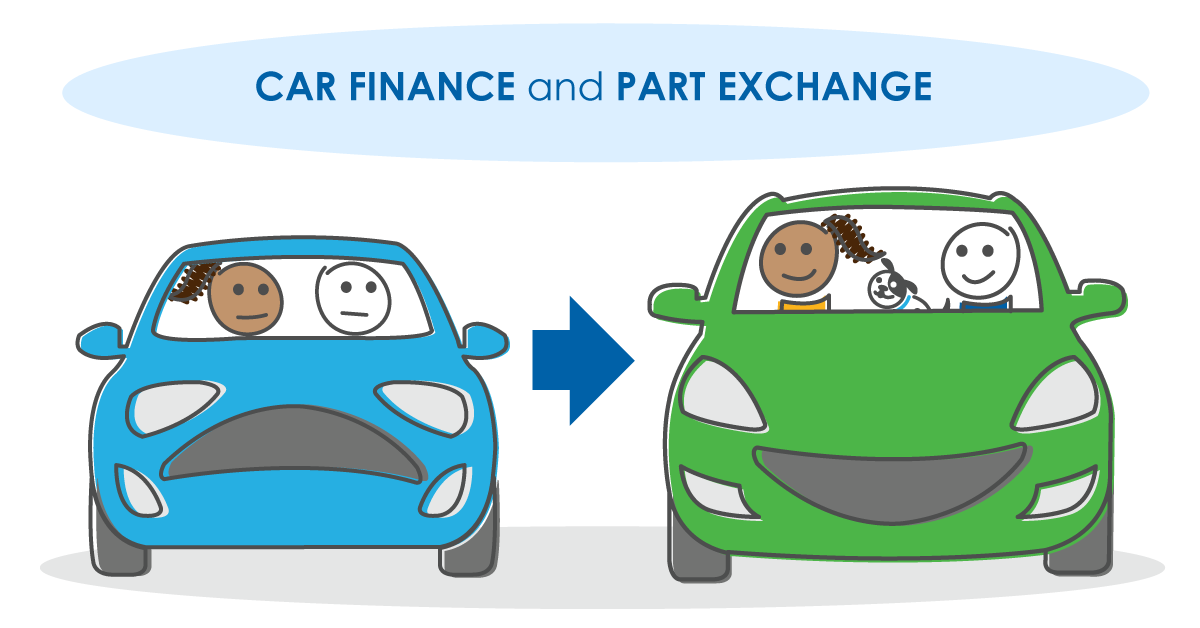
You may want to change your car. Part exchange can feel easier than selling privately. But if your car is on finance, there are rules to follow.
In some cases, part exchange is still possible. This can matter if you use poor credit car finance. The finance must be paid off before the car can change owner. Negative equity could also limit your options.
What does part exchange mean?
A part exchange is when you give your current car to a dealer and use its value towards another vehicle. The dealer agrees a price for your car and takes it as part of the deal. This often removes the need to advertise the car or deal with private buyers.
Many drivers choose part exchange because it feels quicker and more controlled. Mileage, condition, and service history all affect part exchange values.
Can you part exchange a car that is on finance?
If a car is on finance, it does not fully belong to you. The finance company still owns it until the balance is paid off. This is why selling or part exchanging a finance car is different.
A part exchange may still be possible. In most cases, the finance is paid off as part of the process. This applies to standard car finance and bad credit car finance. The balance must be cleared before the car can change owner.
The two figures that matter most
Before speaking to a dealer, it helps to know two figures. These figures affect every next step.
- The car’s current value. This is what the dealer believes the car is worth today.
- The settlement figure. This is the amount needed to clear the finance in full.
The car’s value is shaped by wear, mileage, and history. A full service record often helps. What is checked during car servicing can affect how a dealer views the car.
The settlement figure comes from the finance provider. It shows exactly how much is left to pay. Without this figure, a part exchange on finance cannot be completed.
What happens when the dealer values your car?
After inspecting your car, the dealer will offer a part exchange value. This value is then compared with the settlement figure.
If the car is worth more than the settlement figure
If the car is worth more than the amount left to pay, the finance can be cleared. The extra value may go towards your next car. This is called positive equity.
If the car is worth less than the settlement figure
If the amount left to pay is higher than the car’s value, the gap is called negative equity. This is common and does not mean you have done anything wrong.
Cars lose value over time. Some lose value faster than others. This is known as car depreciation.
What is negative equity?
Negative equity means you owe more than the car is worth.
- Car value: £6,000
- Amount left to pay: £8,000
- Negative equity: £2,000
The gap must be paid before starting a new agreement. This is called negative equity in car finance.
Can you part exchange with negative equity?
You may still be able to part exchange. But the negative equity must be paid first. Existing finance cannot move to a new deal.
Negative equity is not added to new deals. The shortfall must be paid on its own.
Some people wait instead. As you keep paying, the balance goes down. This may lower the risk of negative equity later.
Selling a car that is still on finance
A car on finance can still be sold. But the finance company must be involved. Ownership cannot change until the finance is paid off.
This rule applies to part exchange and private sales.
- Ask the finance provider for a settlement figure
- Pay the settlement in full as part of the sale
The same rules apply when selling a used car privately.
Paperwork you may need
Having documents ready can make the process quicker.
- V5C log book
- MOT history
- Service records
- Spare keys and manuals
Checks carried out during an MOT test may also affect how a dealer views the car.
Advantages of part exchanging a car on finance
Many people could choose part exchange because it is simpler.
- No need to advertise the car
- No need to meet buyers
- The dealer handles the finance
Disadvantages to be aware of
Part exchange may not suit everyone.
- The price may be lower than a private sale
- There may be little choice on price
- Negative equity must be paid first
Alternatives to part exchange
Some people sell their car privately. Others use car-buying services.
Private sales can take longer. They can also bring in more money. The same checks used when buying a car often apply when selling.
If you sell privately, watch out for car selling scams.
What to do after the car is sold
After the sale, you must tell DVLA you sold a car.
If you plan another car, checking car finance costs first can help.


