



Car depreciation affects every driver. It may feel even more important if you are thinking about car finance for bad credit. A car starts to lose value as soon as you buy it. This change in value may affect what it is worth later. It may also change how a part exchange offer looks and how the balance on a finance agreement compares to the car’s true value.
This page explains depreciation in very simple terms. It is easy to follow even if you have never heard the word before. The aim is to show how value changes over time and why this may matter when you are looking at car loans with a poor credit history.
What Depreciation Means
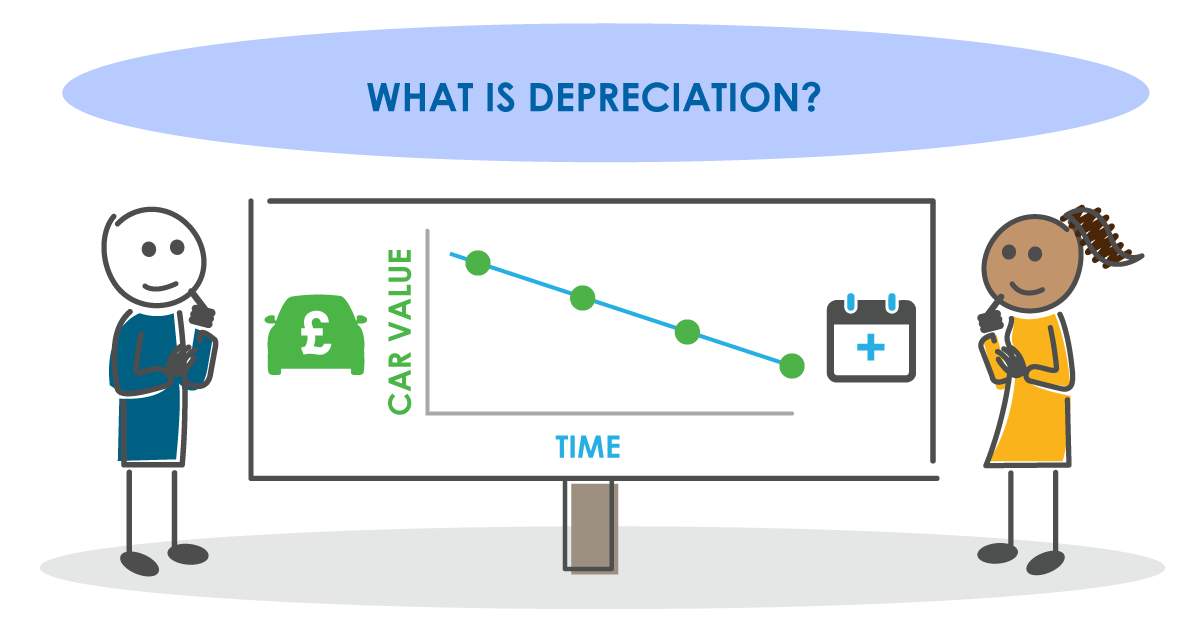
Depreciation is the money a car loses between the price you paid and the price you get when you sell or trade it in. A car loses value because it gets older, gains mileage and shows normal wear. Even cars that are well looked after lose value. Some makes hold their price better because they are known to be reliable or popular.
- You buy a car at a set price.
- You use it for a period of time.
- You sell or trade it in later.
- The loss in value is the depreciation.
Only rare or classic cars may rise in value. This is not common for most people.
How Quickly Cars Lose Value
Many new cars lose a large amount of value in the first few years. A UK study suggests that a typical car may lose up to 60% of its value by the end of year three. This shows how fast the early drop may be. The research explains this in simple terms.
Some used car data also shows that depreciation may cost more than fuel over the same period. This happens because the fall in value over time is often larger than the money spent at the pump. CAP supports this with long-term figures.
Some studies look at car costs in Europe and show the same thing. Cars lose value over time, and this sits beside basic costs like insurance, servicing and tyres. Information on car use gives more simple facts on this topic.
After the early years, the drop in value is slower. Older cars often depreciate at a gentler rate. After around eight years, the value of many cars stays more steady.
Example of Depreciation
A simple example makes this easy to understand. If you buy a car for £10,000 and it is worth £4,000 after three years, then it has lost £6,000 in value. Some people divide the loss over the years to see a yearly drop. Others look at the fall as a percentage that gets smaller as the car ages. Both ways help you see how the value changes.
Depreciation may also change because of things outside your control. Fuel prices, new rules on emissions or new technology may all affect what buyers want. This may change how fast a car loses value.
Why Depreciation Matters for Drivers with Bad Credit
Depreciation matters for more than the selling price. For people with a poor credit history, it may shape how a lender views risk. A car that holds its value more slowly may feel safer during a finance agreement.
Negative equity is when a car is worth less than the amount still owed. This makes it harder to change the car or end the agreement. The information on negative equity shows how a drop in value plays a big role.
Many drivers with bad credit may look at what they can pay each month. A drop in value may change the total cost of the car. Information on affordability shows how agreement length and simple running costs may shape a clear budget.
What Shapes Depreciation?
Several things affect how fast a car loses value:
- Age: Newer cars lose value faster.
- Mileage: Lower mileage often keeps value stronger.
- Brand: Trusted and reliable makes stay in demand.
- Condition: Clean cars with full service history hold value better.
- Running costs: Cars that are cheap to run are more appealing to buyers.
- Demand: Styles and fuel types move in and out of fashion.
These points also shape part exchange offers. Dealers look at demand, condition and the expected selling price. This links naturally with what is covered about part exchange.
New, Nearly New or Older Cars
Many people with bad credit may look at used or nearly new cars. The big early drop in value has already taken place, so prices feel more stable. A two- or three-year-old car may offer good value and good condition.
Older cars may be cheaper to buy but may need more repairs. People who compare choices often look at information on older cars to see how age, mileage and long-term running needs affect the choice.
Thinking About Bad Credit Car Finance
Many people with bad credit want simple and steady costs. A car that keeps more of its value may feel easier to plan for. Interest, mileage rules and basic running costs also matter when choosing a car.
Many drivers want clear information. Details on car finance with bad credit show how lenders look at income, past history and the type of car you choose.
Reducing the Effect of Depreciation
Depreciation is normal. Simple habits may help slow the drop in value. You may keep mileage steady. You may book regular servicing. You may fix small problems early. You may also choose a reliable make. A clean interior and a full service history may help when you sell the car.
Many drivers use simple checks to look after their cars. Regular upkeep may help a car stay in good shape. Information on car maintenance shows small tasks that may help a car last longer.
Summary
Depreciation is a major cost when you own a car. It grows over time. People with bad credit often think about this when they look at car finance. Knowing how a car loses value may help when you compare cars, agreement lengths and total costs.
Simple research may help. Looking at reliable models, basic running costs and likely future value may make the choice feel steady and clear.


